
Faded or chalky panels
Older vinyl loses color on sunny walls. Paint doesn't fix it well, and matching new panels to faded ones rarely works.
Vinyl faded, cracked or rippling on the sunny side? Replace it with panels hung to move with the heat, for less than fiber cement.
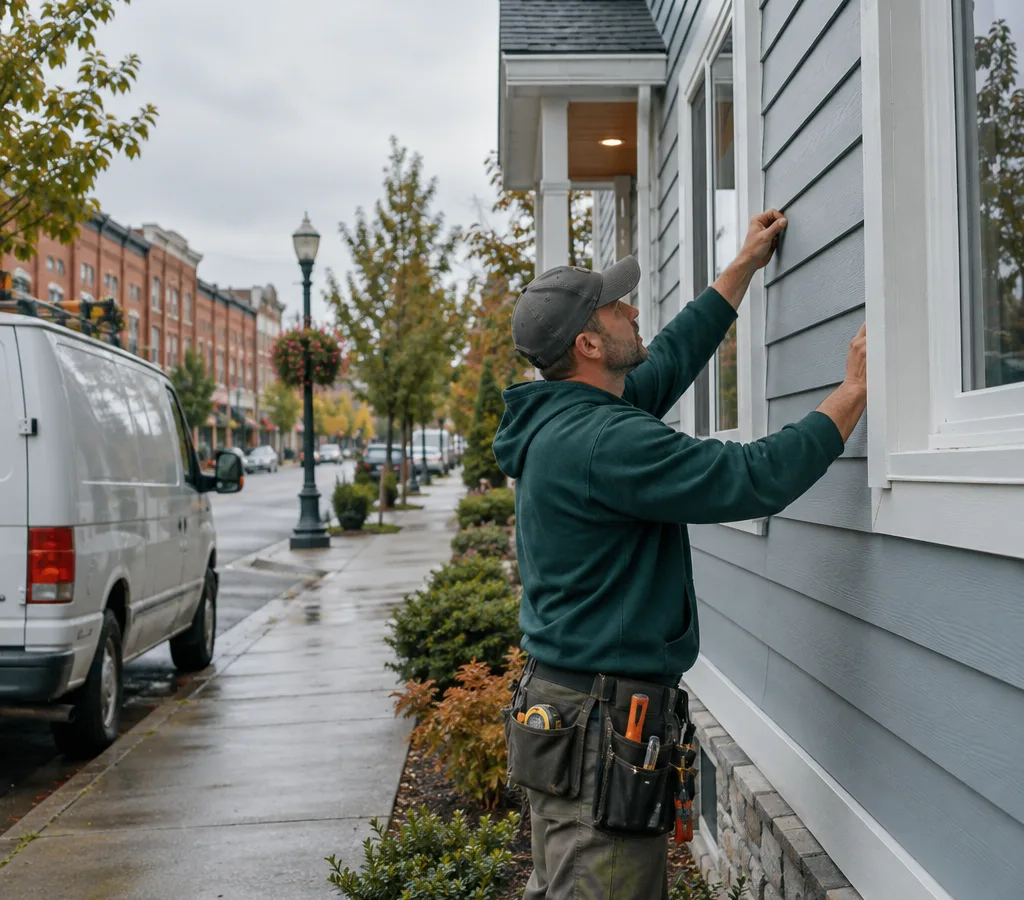
Vinyl is the lowest-cost siding to put on a house and never needs paint, but it is the least forgiving of bad installation. Panels expand and contract with temperature, so they have to hang loosely on their nails, with room to slide at every corner and channel.
That matters here. Hillsboro set an all-time record high during the June 2021 heat wave, and vinyl nailed tight on a south or west wall can ripple or buckle on days like that. Dark colors and sunlight reflected off nearby windows add more heat.
For repair and replacement in other materials, start with the siding contractors in Hillsboro, Oregon overview.
A proper installation includes:
Ask how the installer handles nailing and gaps; a clear answer is a good sign.
Call (564) 216-1408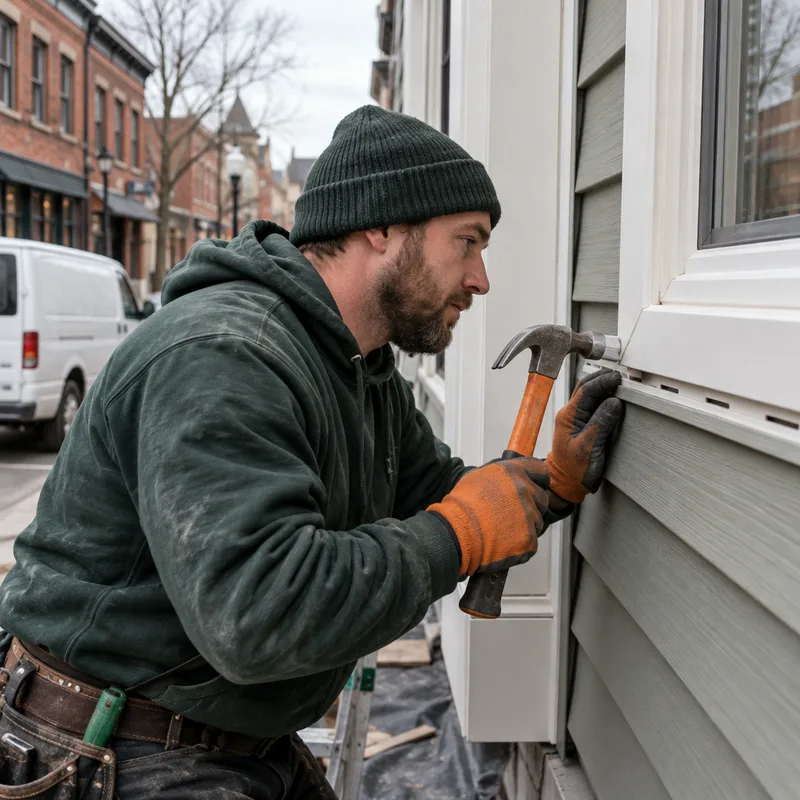
Older vinyl loses color on sunny walls. Paint doesn't fix it well, and matching new panels to faded ones rarely works.
Aged vinyl turns brittle in cold weather and cracks on impact; cracking across several walls usually means replacement.
Rippled panels usually point to tight nailing. Re-hanging can fix a few; a whole wall of it often means starting over.
Vinyl hides water damage. If the wall feels spongy when pressed, the sheathing needs checking before new panels go up.
Orenco Station's townhomes and rowhouses share walls, so replacing panels on one unit often means matching the color and trim next door.
The contractor measures each wall and helps pick a profile, color and panel thickness.
Old siding comes off and the sheathing is checked; soft areas are replaced.
House wrap and flashing go on before any panels, starting at the bottom.
Starter strip first, then panels nailed loosely in the slots with gaps at every end.
Corner posts, J-channel, soffit and mounting blocks finish the edges and openings.
Vinyl siding for a whole house in Hillsboro, OR typically costs about $7,000 to $25,000.
Insulated panels, a second story, many windows and sheathing repairs push the price up; repairing a damaged section typically costs about $900 to $3,000. These are typical ranges, not quotes.
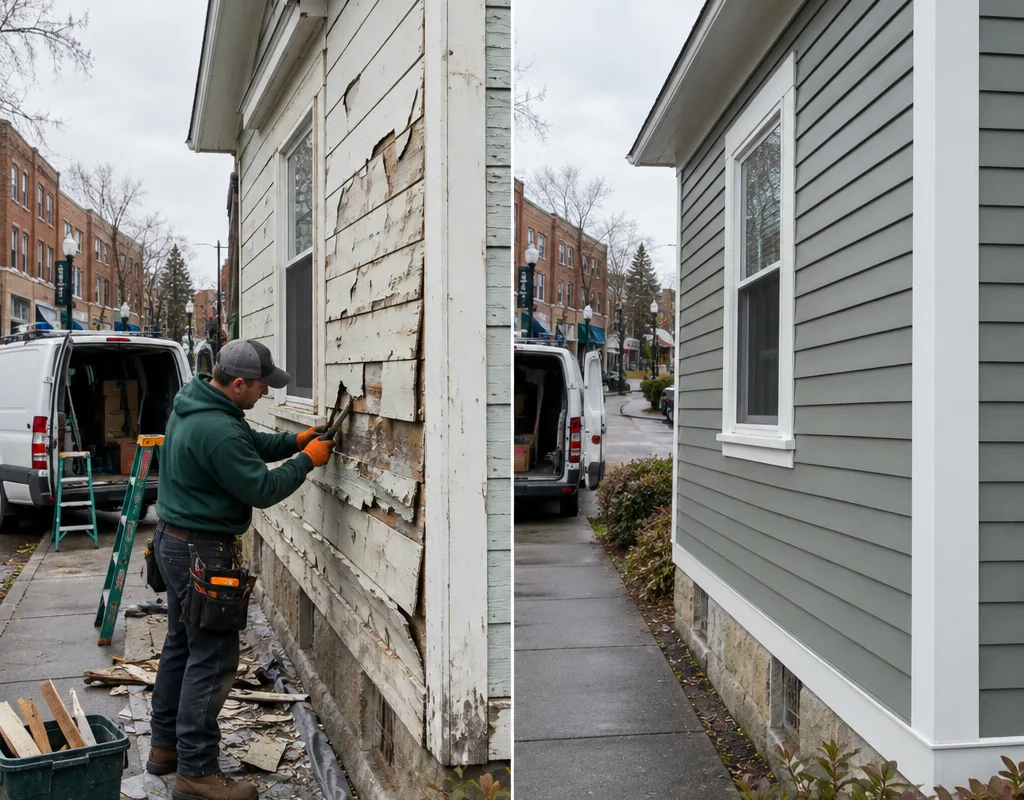
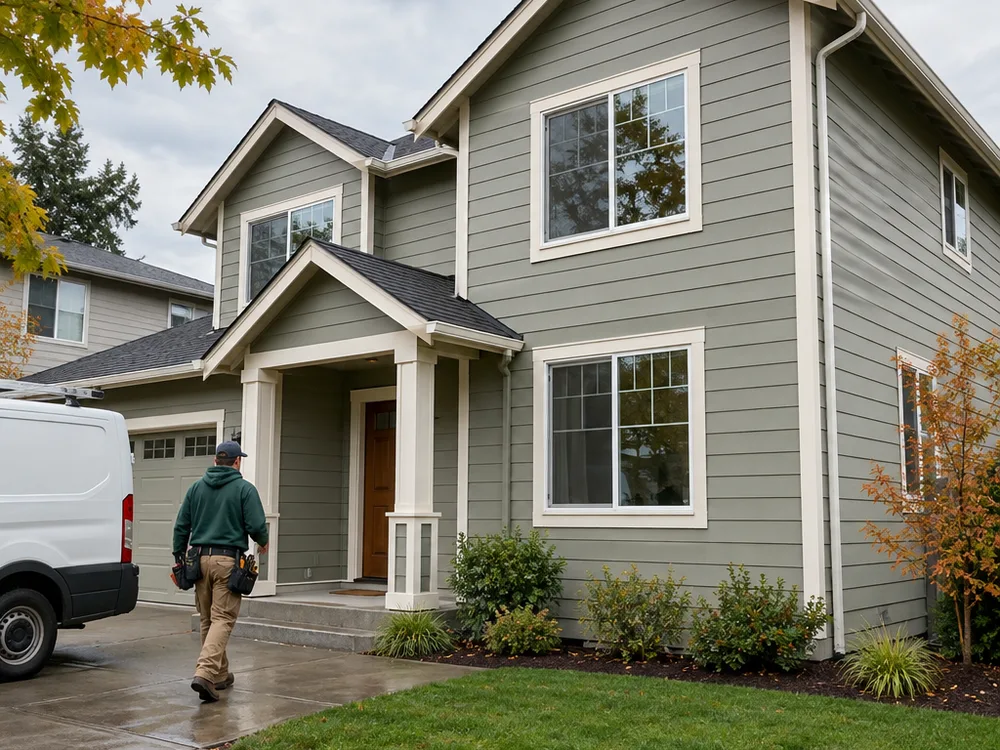
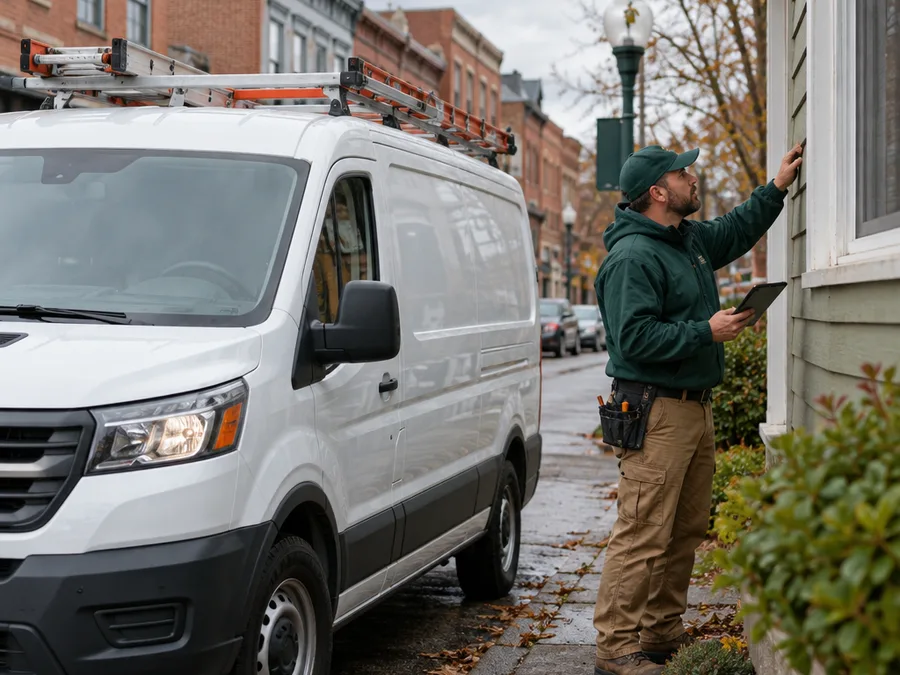
Panels rippling on hot afternoons? Have the nailing checked.
A whole house in vinyl typically costs about $7,000 to $25,000. Insulated panels, a second story and sheathing repairs push it higher.
Wavy vinyl usually means panels were nailed too tight or butted against trim without a gap, so they can't expand in heat. Re-hanging those panels often fixes it.
Sometimes, over a flat and dry wall, but removal is the safer choice when the old siding is soft, wavy or hiding water damage.
Insulated vinyl has a foam backing that makes panels stiffer and adds a little insulation. It costs more, so ask for a price on both.
Yes. Sunlight reflected from some energy-efficient windows can heat vinyl enough to warp it; screens, plants or a lighter panel color near the reflection help.
Replacing siding alone is generally exempt from a building permit under Oregon's residential code, but replacing the sheathing or framing behind it usually needs one. The City of Hillsboro Permitting Center confirms what a specific job needs.
Call (564) 216-1408 to talk with an experienced local contractor about vinyl, colors and what the wall underneath needs.