
Wash it once a year
A garden hose and soft brush remove the moss and mildew that grow on shaded walls through the wet season. Pressure washers can force water behind the laps.
Not sure which siding suits your house? Compare vinyl, fiber cement and wood by cost, upkeep and how each handles long wet winters.
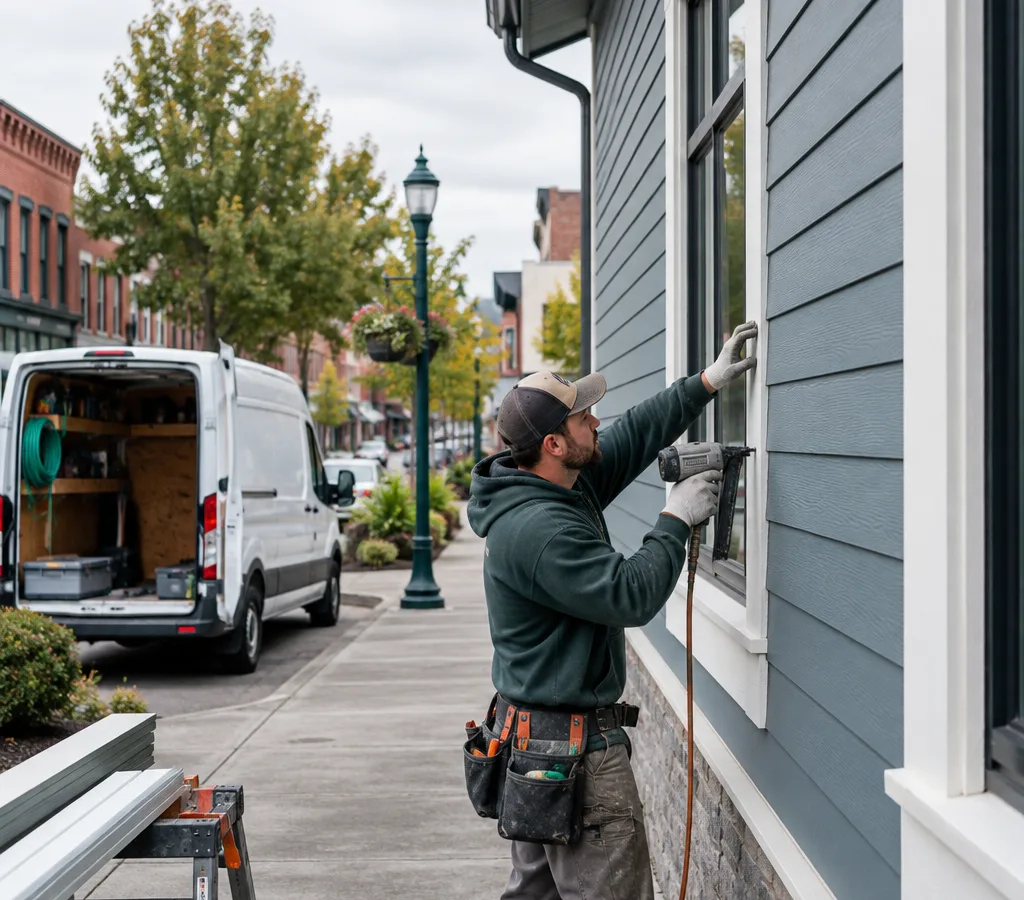
Siding in Hillsboro, OR comes down to four common choices: vinyl, fiber cement, engineered wood and cedar. Each can last decades when it is installed over house wrap and flashed correctly; they differ in price, upkeep and how they look up close.
Hillsboro, Oregon sits in the Tualatin Valley, which gets a little less rain than east Portland because the Coast Range blocks some of it, but the wet season is just as long. What matters most is how a material handles months of damp followed by summer heat.
Already settled on a material? Start with Siding Contractors Hillsboro for what replacement and repair involve, or call (564) 216-1408.
Typical whole-house costs run about $7,000 to $25,000 for vinyl and about $15,000 to $30,000 for fiber cement.
The main choices:
Ask any contractor which materials they install most and why; the answer shows where their experience is.
Call (564) 216-1408
A garden hose and soft brush remove the moss and mildew that grow on shaded walls through the wet season. Pressure washers can force water behind the laps.
The bottom edge should stop several inches above soil and mulch. Beds piled against the wall keep the lowest course wet, and rot starts there first.
Caulk at windows, trim and penetrations shrinks after a few hot summers. Resealing gaps costs little compared with replacing the sheathing behind them.
Painted wood and fiber cement need fresh paint when the finish chalks or cracks; bare edges on wood products swell quickly.
Loose or missing pieces let rain straight in. Replacing them quickly keeps a small repair from turning into a whole wall.
Use the typical ranges to see what the whole house costs in each material, including trim.
Older homes often look right with wood or fiber cement lap boards; newer homes can carry vinyl or panel styles.
HOA guidelines may limit color or material, and work on homes built before 1978 needs a lead-licensed contractor.
Whatever goes on, the wall underneath decides how long it lasts: house wrap, flashing and sound sheathing.
Vinyl usually costs the least, typically about $7,000 to $25,000 for a whole house, while fiber cement typically runs about $15,000 to $30,000.
Repairing a damaged section typically costs about $900 to $3,000 in any material. These are typical ranges, not quotes; wall area, stories, tear-off and sheathing repairs move the price most.
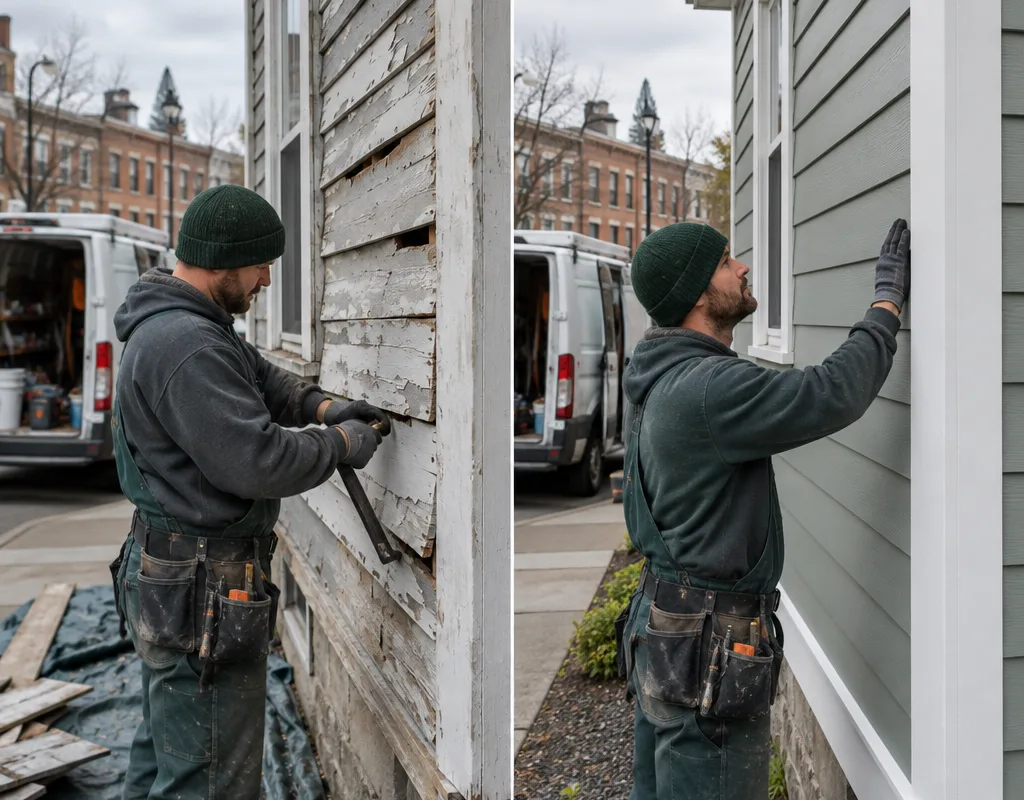
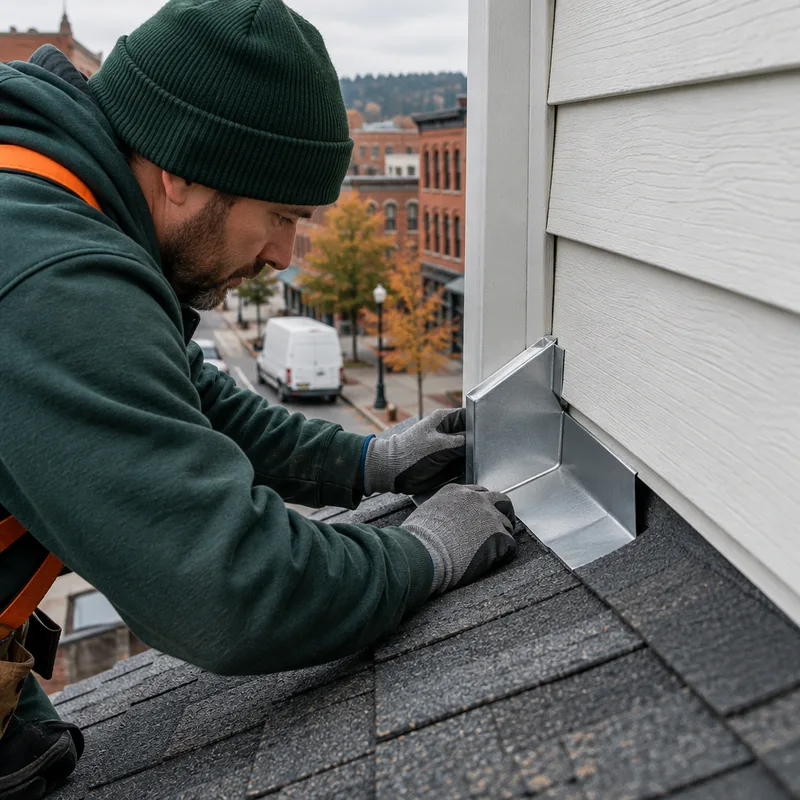
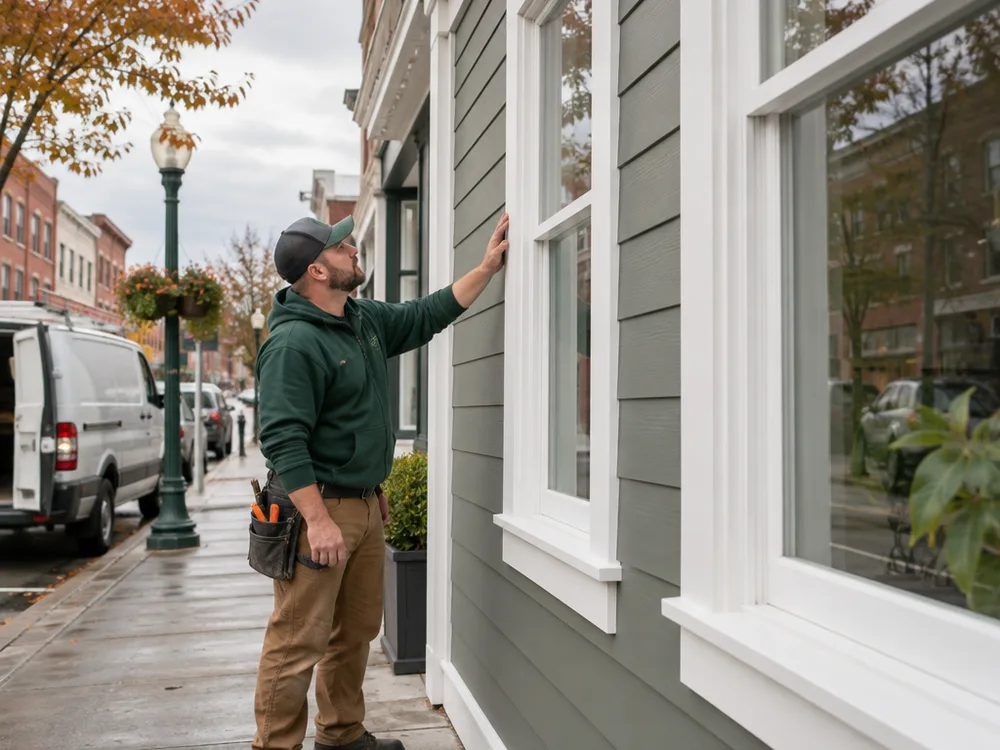
Stuck between two materials? Talk it through before you buy.
Fiber cement and well-installed vinyl both hold up to long wet seasons; house wrap, flashing and clearance above the ground matter more than the material. Wood and engineered wood work too when every edge is sealed and painted.
Vinyl is cheaper, typically about $7,000 to $25,000 for a whole house, compared with about $15,000 to $30,000 for fiber cement.
Replacing siding alone is generally exempt from a building permit under Oregon's residential code, but replacing the sheathing or framing behind it usually needs one. The City of Hillsboro Permitting Center confirms what a specific job needs.
Yes. Many houses pair lap boards on the walls with shingles or board and batten on the gables, as long as the transitions are flashed.
Vinyl needs the least: no paint, just a yearly wash. Fiber cement comes next, and factory-finished boards hold their color longer than field paint.
Call (564) 216-1408 to talk with an experienced local contractor about which material fits your house and budget.